Blog

Why I Wrote About a Puppy Farm in my Children’s Book.

Dogs are amazing: cuddly companions, snuggling up to us on a night, greeting us with enthusiasm every time we enter the home – even if we were only two minutes while we put the bins out. Furry friends, not judging our awful decisions or fashion sense and forgiving us for our mistakes. Peaceful pals who never say nasty things to people or behind their backs. Dogs are so well tuned into us, they can be trained to guide visually-impaired people, alert people who are about to have an epileptic fit and intuitively protects us from danger.

Most of us spoil our dogs rotten. Our gorgeous girl has the best quality raw feed, carefully chosen natural shampoo and conditioner which is free from parabens and sulphates and a tailor-made dressing gown for after her baths. (I don’t have any of the above for myself!) I even pick up her poos for her. Really, she’s a puppy princess and I’m just her devoted servant!

I have always been concerned with animal welfare and sadly aware of the need for charities such as the RSPCA to fight animal cruelty. During the pandemic, there was a huge glut of people wanting dogs. Respectable breeders, as always were careful who they were sending the puppies to and limited the amount of times the dogs could have puppies according to both the legal and moral law.

However, puppy farms (sometimes called puppy mills), began raking the money in. The exhausted females were bred repeatedly whilst being fed low quality food, and kept in dirty cages or crowded pens. Puppies were given no toys or socialising and certainly no medical care. Even the stud dogs didn’t have it easy as not only do the puppy farmers not want to “waste” money on good quality food, they also don’t want to “waste” time on exercising their dogs and they definitely never show them any affection – quite the opposite. Many breeding dogs on puppy farms never see the light of day. The mother dogs often have the puppies removed too early causing extreme distress as well as health problems for the mothers and the puppies. But what do the puppy farmers care? They are making lots of money and that is all that matters to them. If a dog dies, they’ll get another one (often somebody’s stolen pet!)

When our beloved goldendoodle, Monty died last year, at just three years old, we were as devastated as if he had been a human member of our family rather than a furry one. There’s little difference. The sad irony was, that when I’m upset, I snuggle into my dog, but I had no dog to snuggle into while I wept for him. My only comfort was knowing that he had the best three years any dog could ever wish for. I would much rather he had three perfect fun-filled years living with his doting family, than twelve years of utterly cruel, puppy-farm torture.

Frequently, I donate to local animal charities, but I wanted to do something more. I wanted everyone to be aware of puppy farms. Not only of the cruelty to the helpless animals held captive there, but also the high risk of the poor puppy having a variety of medical conditions which at best cost money and at worst cause death. So I wrote a children’s story to highlight their plight: “The Boy Who Dared” Three boys stumble across a cruel puppy farm. Foolishly, they try to rescue the puppies themselves, but of course the types of people who run puppy farms, are not the types of people young children should cross. Things go terribly wrong and the boys find themselves in extreme danger, having to dig deep inside themselves to find the wit and courage to survive.

It is my belief that most people would not willingly support cruel, criminal puppy farms. Sadly, the public’s ignorance allows these criminal gangs to be able to continually profit from their heartless enterprises. Therefore, I hope that when children read “The Boy Who Dared”, as well as enjoying the exciting adventure, they will also be gently alerted to the sad state of countless puppies and breeding dogs, resulting in the readers never accidentally supporting a puppy farm themselves.

I hope you and your children enjoy my book which can be ordered from any online or physical bookshop and is stocked on the shelf at a fabulous indie bookshop: The Book Dragon in Stockton.

You can read my interviews with two reputable puppy breeders here and here.

If you would like advice on how to buy a puppy safely without accidentally supporting a cruel criminal puppy farm, the RSPCA gives some valuable information here.
Blog

In Loving Memory

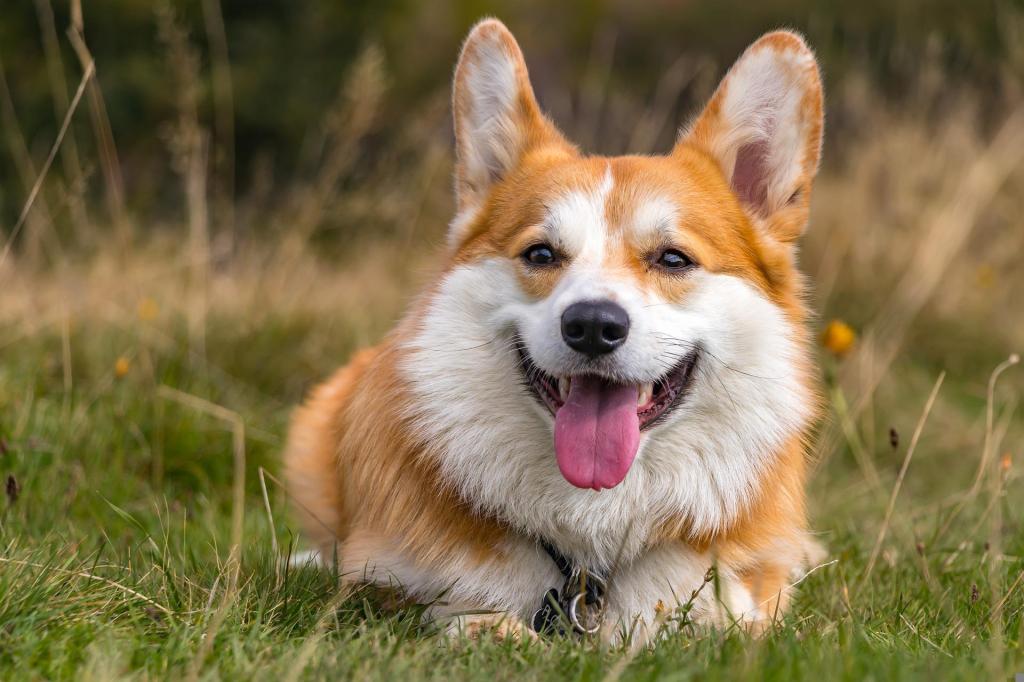
Last week on 8 September, we in the United Kingdom and all the Commonwealth countries lost our queen. She was a renowned dog lover. Indeed, whenever a corgi is spotted most people immediately think of the queen. She also had Labradors which I’m sure she loved just as much. Anyone who has owned a Labrador can tell you they are quite impossible not to love!

The month before, on 8 August, my family and I lost our cherished family dog Monty (aka The Lord as named by his beloved dog walker). The devastation this caused especially at such a tender age – just three years old – feels irreparable. But I know that one day the pain will ease.

The month before that, on 8 July, I lost one of my closest friends, Judy (Judge Judy I sometimes jokingly called her). She was my confidante, book geek, dog-obsessor. She, more than anyone, would have understood my pain of losing Monty.

It would be easy for all this to overwhelm me and for a while it did. I’m still crying lots. But in between the tears there are cherished memories.

The death of Her Majesty the Queen, has been devastating for the whole country. It is unsettling and like others, I feel a deep sadness. However, Her Majesty lead a privileged and long life. Of course there were troubles and difficulties but overall, I think it’s a fair judgement that the queen’s life was a life well lived.

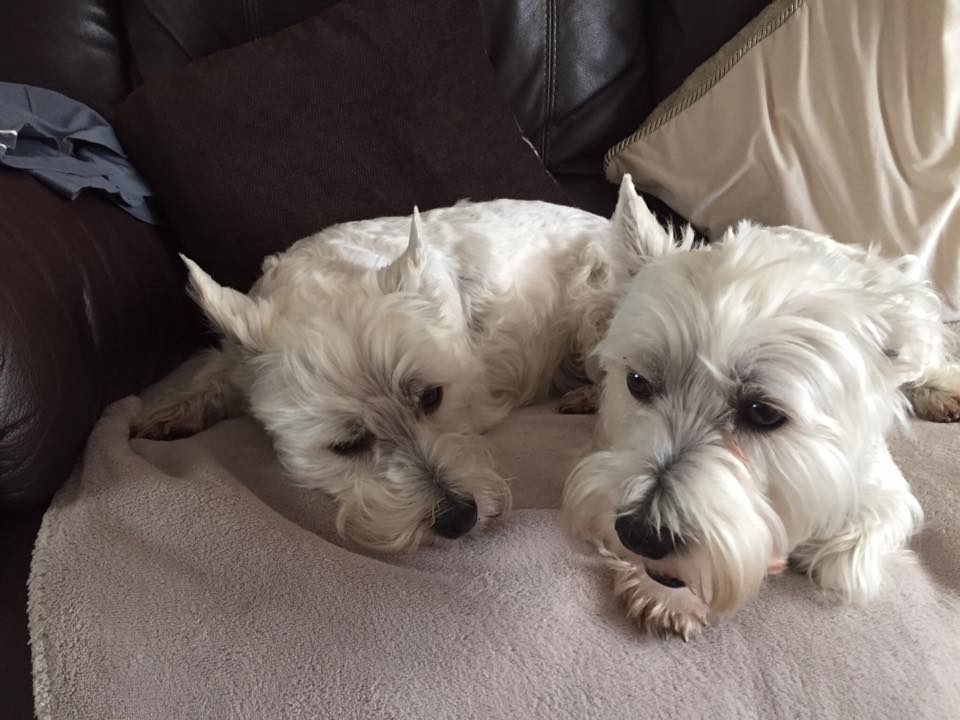
For me it was harder to deal with the personal loss of my fabulous friend Judy. Although older than me, she hadn’t finished living her life. Not even close. She found her beloved husband late in life and her two Westies were still young and are missing her. She was a wonderful person, although the most useless driver I ever met. She was fun and whacky and we needed at least another 20 years of putting the world to rights. But the positives I take is that she did meet her beloved John. She did have lots of dogs. She did experience being an adored grandma. She did read a million or so books. She was so loved.

And then there is the loss of Monty. We loved him so very much and were determined to make sure he was the healthiest dog in the world so that he would live a long, healthy happy life. He died at three years old. It wasn’t our fault and it wasn’t his fault. A tragic accident (he apparently ate rat poison or an animal recently deceased from rat poison). Initially I struggled to draw any positives. Three years is so short. But I can draw positives. Monty never knew cruelty. He never knew loneliness or neglect. He never knew fear. All he knew was love, fun and joy. From us and from his doting dog-walker.

Fittingly, he was with me as I wrote my book “The Boy Who Dared” designed to teach the readers how cruel and dangerous puppy mills are. My research was harrowing. I learnt about dogs who lived their whole lives never seeing the light of day. Giving birth to litter after litter of puppies in dark dirty pens, only hearing aggressive shouts and the only touch, a hard fist. The puppies born in these dingy conditions were often born with genetic defects causing long-term health issues and early death bringing deep sorrow to their new owners.

Illustration by Michael J Carr

As my initial grief over losing Monty began to settle down, I compared his life to these poor unfortunate dogs. I realised that quality is more important than quantity. He only had three years, but those years were top quality. He lived like a royal. He was happy and loved every single second of his life. I have nothing to regret about the way we raised him. It has made me more determined than ever to spread the word, in Monty’s name: please, for the love of dogs, never, ever buy a puppy from a puppy mill. They are in it for profit only, so if they can’t sell the dogs they will close their business. There are plenty of ethical dog breeders (see interview here) (and interview with a second ethical dog breeder here) and of course there are lots of wonderful rescues. Please in Monty’s name, learn how to recognise a puppy mill breeder. There is information here from the RSPCA. Make sure you see the lactating mum with the puppy and make sure you see the puppy in their home – not in a pub or car park. Click here for RSPCA information on how to find a good breeder.

In Monty’s memory, in my dog-doting friend Judy’s memory and in our dog-loving queen’s memory – let’s all make sure that we never support a cruel puppy farm.

You can pre-order “The Boy Who Dared” here.